Introduction
Bush encroachment and invasive alien plant species pose a significant environmental and socio-economic challenge in South Africa, impacting both natural ecosystems and human livelihoods. Approximately 10 million hectares of South Africa’s land has been invaded by alien species. Bush encroachment, the proliferation of woody plant species in grasslands and savannas, affects an estimated 13 million hectares .
These issues lead to reduced agricultural productivity, water scarcity, and increased rural to urban migration.
Bush encroachment in South Africa refers to the increasing dominance of woody plant species in grasslands and savannas, displacing grasses and impacting livestock farming and biodiversity.
This phenomenon is a significant environmental and economic challenge, with millions of hectares affected and billions of rand spent annually on control efforts.
Over more than 25 years, the South African government, farmers and rural communities have tried several avenues to combat this problem, but without success.
The problem has become so severe that it has been dubbed “the war on bush encroachment” in some media, and there was no answer to the problems that were faced.

Mr. Ramakgwale Mampolo, LandCare Programme Manager at the Department of Agriculture, Land Reform and Rural Development (DALRRD) stated in a presentation at the Carbon Farming and Soil Conservation Conference amongst others that two of South Africa’s Land Degradation Neutrality (LDN) targets which were set in accordance with the United Nations Convention to Combat Desertification (UNCCD, September 1997), of which South Africa is a signatory, are to clear a) 1 063 897 ha of alien invasive species and b) 633 000 ha of bush encroached land by 2030.
It seemed at that stage that these targets were in real danger of not being reached in time. The call was made for public private partnerships to come to the fore. It is clear that these types of partnerships are necessary to build and implement the answer.
Terravusa
In October 2022 Terravusa, which company is a full subsidiary of Kickstart Capital (Pty) Ltd and a proud member of the Laeveld Agrochem group of companies, secured the sole distribution rights in Southern African countries for herbicides like Sendero®, Mezavue®, Garlon Max® and Molopo®.
These products are part of a new generation of herbicides that are very effective weapons in the war on bush encroachment and invasive alien plant species with significantly less risks for humans, animals, insects, beneficial trees and shrubs and grass species than traditional herbicides. Sendero and Garlon Max are also the only new generation herbicides that are registered for aerial application. This in turn means that airplane and helicopter and drone applications will allow thousands of hectares of problem plant species can be sprayed in a season.
Finally, it seemed, that South Africa has found an answer to bush encroachment and alien invasive plant species.
The challenge for farmers and rural communities, however, was that application of these herbicides was too expensive to apply on any significant scale. They simply could not afford to utilise these products at scale.
We realised that to unlock the true potential of the products of Terravusa, we had to find a method that would unlock optimal value from the wood and the cleared hectares of land for farmers and rural communities. Without this solution, the answer to the problems cannot be found.
Terraligna
In 2023 Terraligna was registered. This company is also a full subsidiary of Kickstart Capital (Pty) Ltd and similarly a proud member of the Laeveld Agrochem group of companies. The mandate of Terraligna is to find and implement solutions to the challenges of Terraligna and pricing as is discussed above.
What has Terraligna done to date hereof?
- Discussions held with various farmers and farmer unions (provisional agreements reached).
- Discussions held with leadership of rural communities (provisional agreements reached).
- Discussions held with agricultural unions (support garnered and provisional agreements reached).
- Discussions with SALGA (support garnered).
- Discussions with various mayors and local government officials in different towns (towns identified where projects can be launched).
- Discussions held with DLRRD (support garnered for a huge project in Northern Cape to the tune of 23 000 hectares).
- Discussions were held with representatives of Stellenbosch University, UFS, NWU, UNAM and University of Botswana.
- Setting up networks in Northern Cape, Western Cape, Limpopo, Northwest, Gauteng
- Discussions with strategic partners.
Sorting out options for logistics support and transportation. - Research conducted and tests done on methods to harvest wood.
- Research done on methods to make char, biochar, activated carbon, restaurant grade charcoal, industrial grade charcoal.
- Research done of applications for char and wood vinegar.
- Research done on local and international markets.
- Research conducted and tests done on various types of kilns.
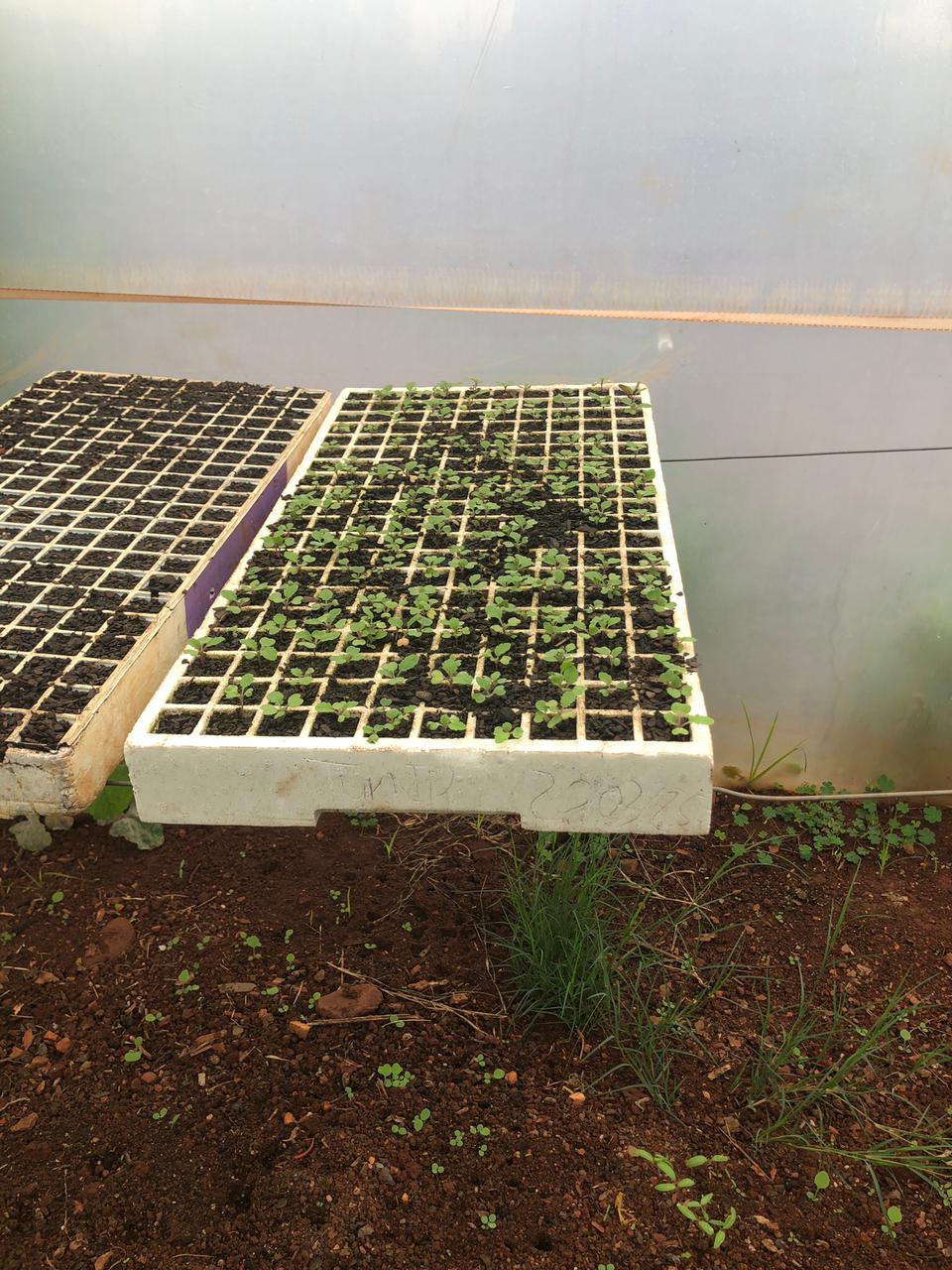
- Research conducted and tests done on applications of biochar and wood vinegar on vegetable farming, fruit tree farming, row crop farming.
- Discussions were held with manufacturers of specialised tools and machines to find the best tools and machines to harvest wood mechanically.
- Trials were held with teams to cut wood with teams using axes, chainsaws and various different wood cutting machines.
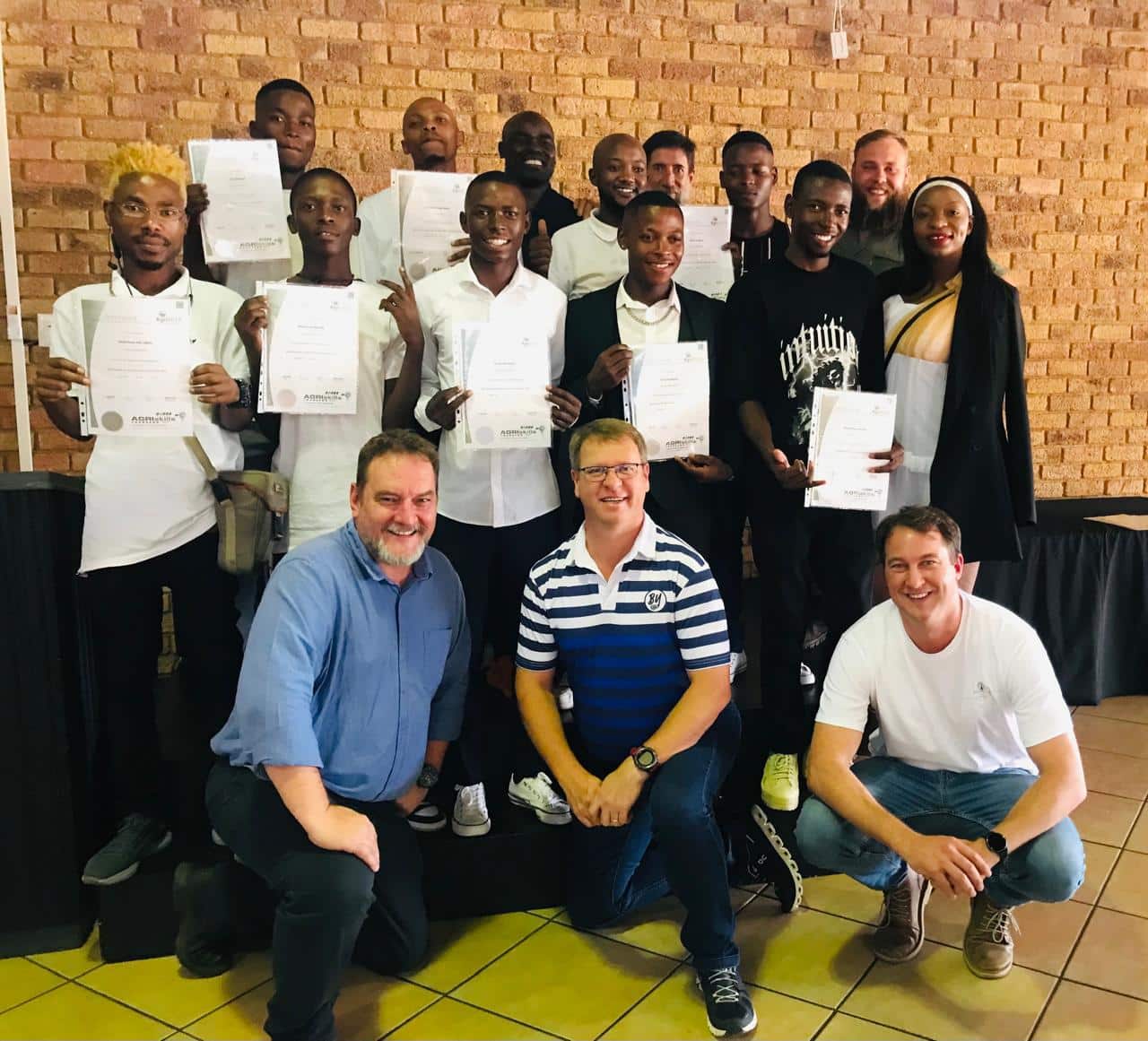
- Training programmes were developed to train young people to work in wood cutting teams and to operate kilns safely (we are busy with our 3rd training programme).
- Off-take market for the different products was researched. Trials with potential off-takers are under way.
- Negotiations with potential strategic partners in various towns were conducted. Provisional agreements are in place.
- Discussions were held with potential investors. Interest exists for different levels of cooperation.
- Discussions were held with potential service providers and funders to unlock the income from carbon credits.
- Options in South Africa, Namibia, Botswana, Mozambique and Eswatini were investigated.


Terraligna and strategic partners have spent funds, resources and time worth millions of Rands on research and development of practical solutions, structures and technical solutions as well as financial and business models that could work.
We have a very good idea what could work and have been able to identify the many snags and pitfalls in building a proper solution. We are implementing models on a very small scale to further develop a refined model that can be implemented and replicated at scale.
Benefits
Wood and charcoal are well known in the Southern African market. Many role players are involved in some form or another. At this stage biochar and wood vinegar are still relatively unknown in South Africa. Regenerative farming is only now gaining recognition, and the industry is in the beginning stages of development. It is growing and huge opportunities exist, but much work is required to break open the market and to overcome existing resistance in the market.
Farmers and rural communities alike are sceptical to adopt new methods of farming and to apply principles of regenerative farming. Past failures of programmes exacerbate the issues. Educating people and communities is required and is as important as proper research and development in this area.
The following benefits have been identified:
- Grazing – Combating bush encroachment and alien invasive plant species will increase grazing for cattle and sheep farmers and will significantly improve grazing, the carrying capacity of farms and land.
- Biodiversity – Improving biodiversity is a natural consequence of combating alien invasive species and bush encroachment and leads to improved combating of desertification of South Africa’s arable land.
- Training and development – by unlocking the new models in the wood harvesting and char making industry, many new training and skills development opportunities will be created. Strategic cooperation with universities and training academies will also unlock further benefits. UFS has indicated that our mutual cooperation will unlock post-doctorate research opportunities as well as PHD and M-Degree studies. This research will in turn again benefit the country as a whole.
- Job creation – Calculations show that thousands of jobs can be created by implementing the models to combat the problem trees and shrubs
Improving food security – Millions of hectares of land can be saved and regenerated for better agricultural use and thereby increasing yields and reducing the use of chemicals. - Saving water – Millions of litres of water can be salvaged for application in agriculture and human settlements (including increasing ground water levels, salvaging of rivers and dams and natural springs and fountains).
- Unlocking more and sizable carbon credit earnings for South Africa.
- Unlocking improved technology and software development that will benefit export farmers with reduced export tariffs and more competitive pricing and product offerings.
Products
Wood and ordinary charcoal have too little value to support a sustainable business case of the size of this project. Even though current prices for these products provide marginal business opportunities and profits, prices will come under severe pressure if Terraligna was to flood the market with great volumes of wood and ordinary charcoal.
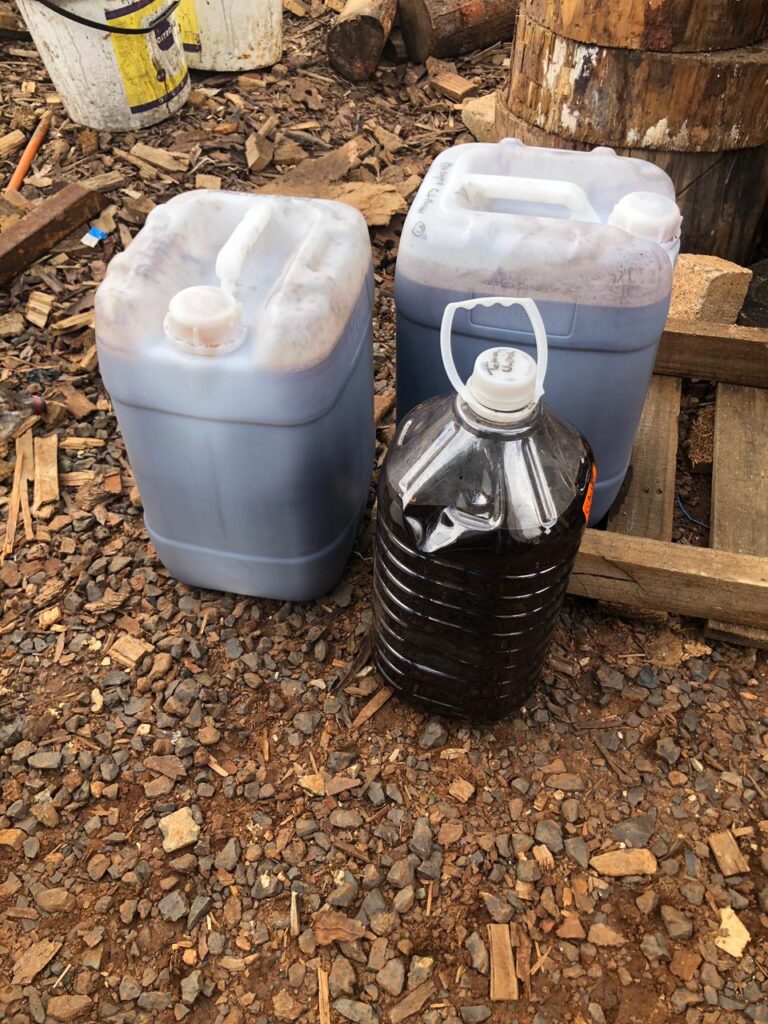
Biochar provides immense benefits to soil and land. Agricultural activities of various kinds benefit from this product.
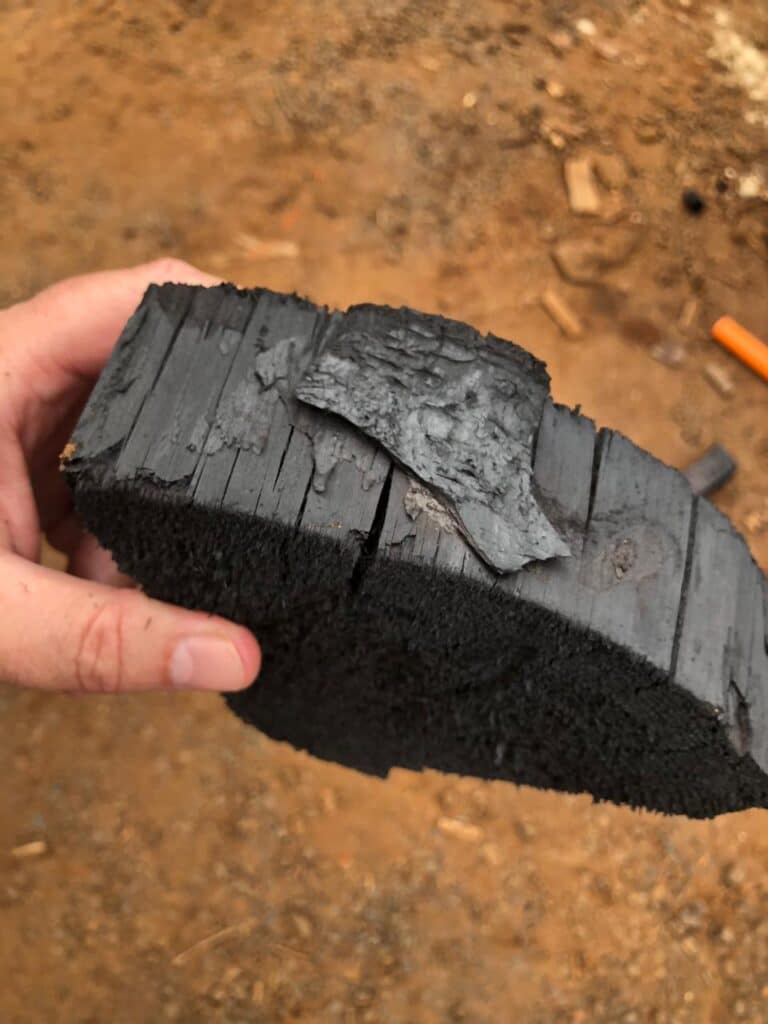
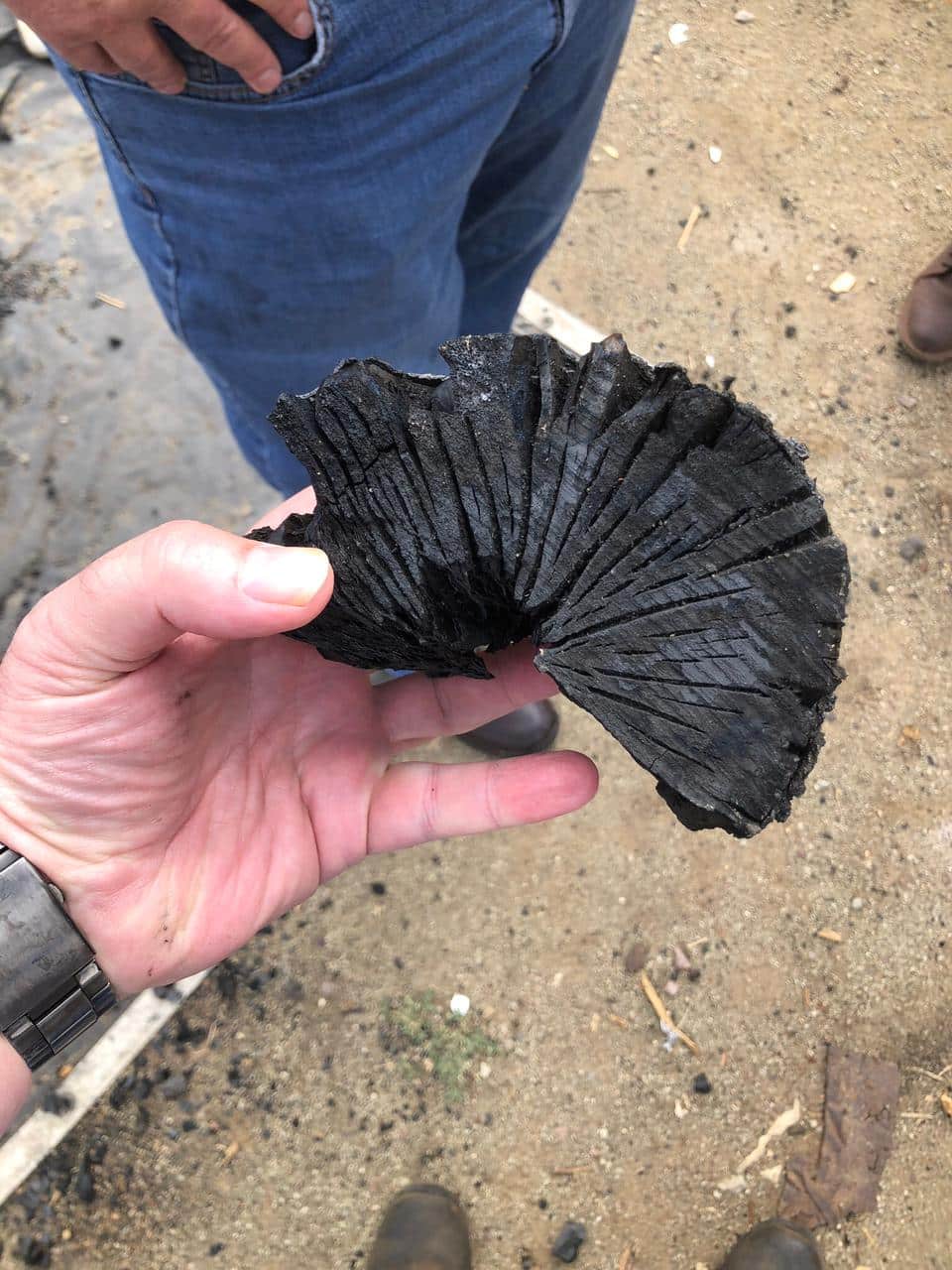
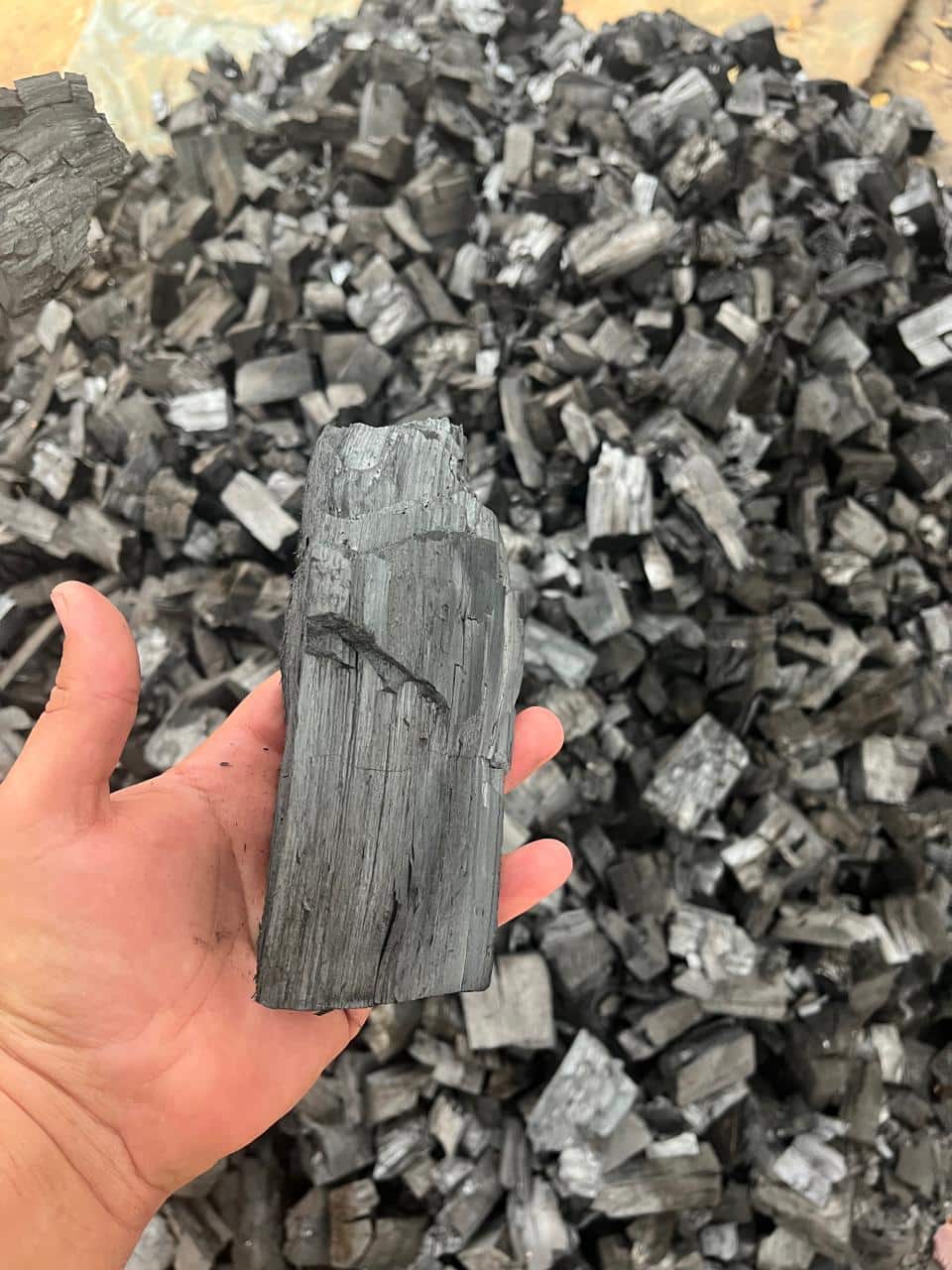
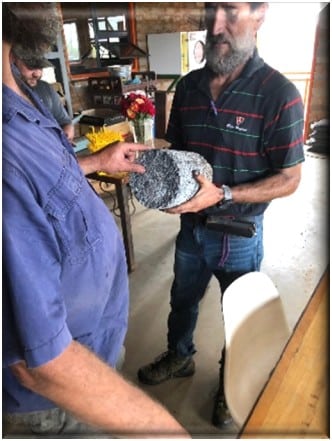
The charcoal that we produce has a high carbon content (some trees we tested yield charcoal with up to 94,5% carbon content). Industrial grade and restaurant grade charcoal have significantly higher values than ordinary charcoal.
Activated carbon products have great application in human and animal health. Activated charcoal is often used to treat poisoning or overdose and may also treat diarrhoea and lower cholesterol. Many people use it as a home remedy for various concerns, but little scientific evidence supports its other suggested benefits.
Activated charcoal is a black, odourless, flavourless powder that has been used since ancient times to treat various ailments. Activated carbon and associated products are widely used for water purification and similar applications.
In 2024, South Africa imported ZAR373M of Activated carbon, being the 717th most imported product (out of 5,276) in South Africa. In 2024, the main origins of South Africa’s Activated carbon imports were: India (ZAR161M), Sri Lanka (ZAR96.8M), China (ZAR55.3M), Philippines (ZAR20.8M), and United States (ZAR13.3M). The fastest growing origins for Activated carbon imports in South Africa between 2023 and 2024 were: India (ZAR38.5M), Sri Lanka (ZAR25.7M), and United States (ZAR10.8M).
Charcoal use in construction is not new. Various applications are well known in the market. Applications that are not well known are currently being tested by Terraligna. Charcoal, particularly biochar, is finding increasing use in construction for its unique properties that improve building materials and environmental performance. It enhances insulation, regulates humidity, and even improves the strength and durability of concrete and clay-based materials while reducing the weight of products significantly.
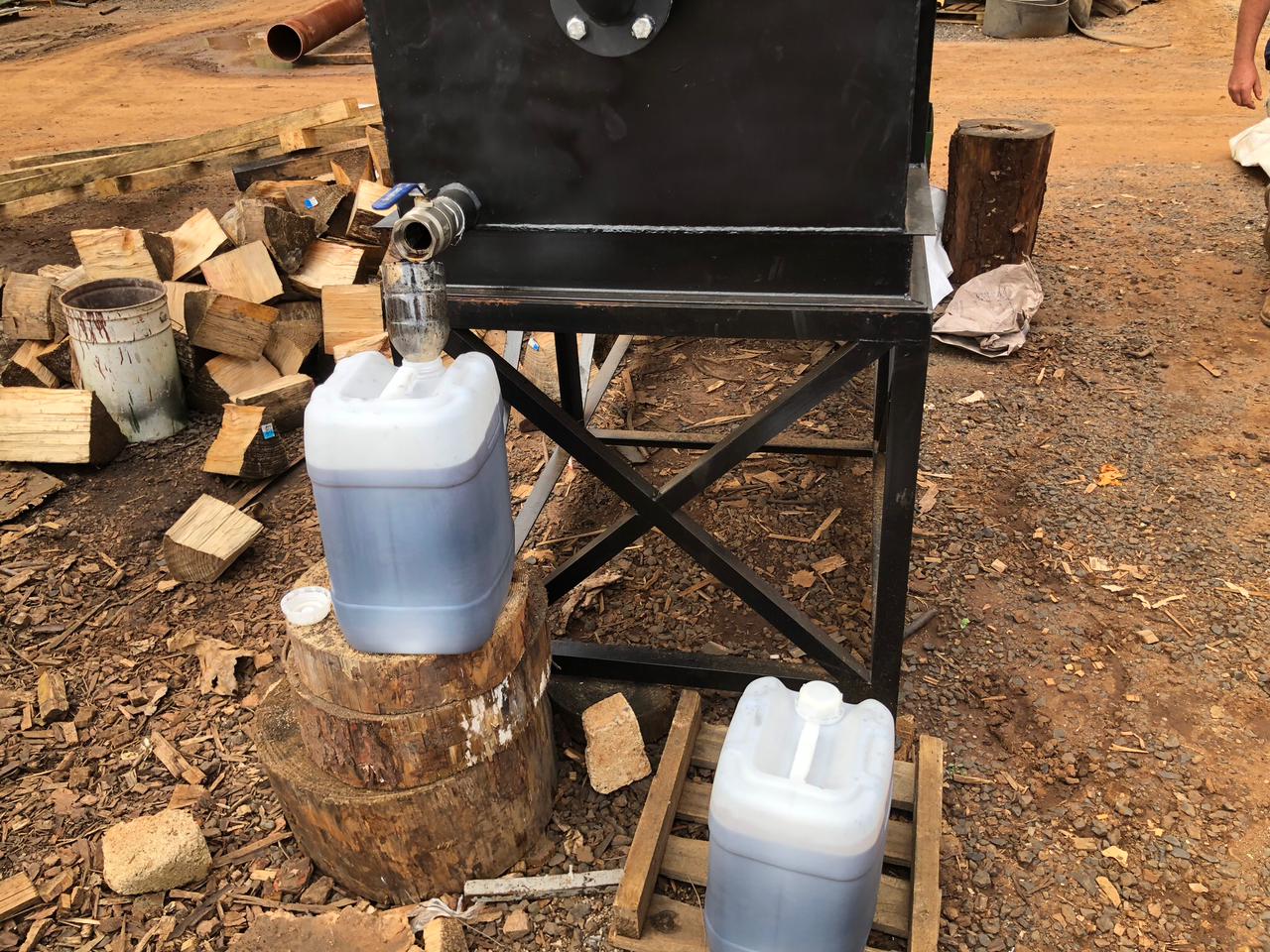
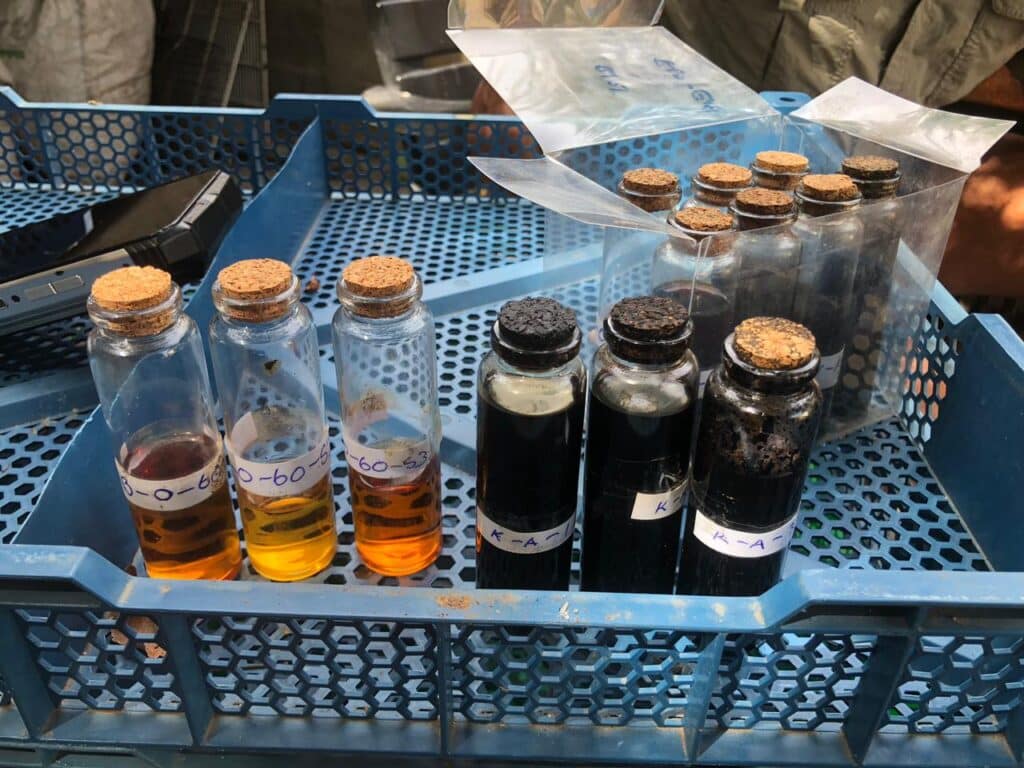
Wood vinegar has various applications in agriculture and other industries. Wood vinegar, a byproduct of charcoal production, has various uses, primarily in agriculture. It acts as a soil amendment, plant growth promoter, and pest repellent. Additionally, it can be used for odor removal, as a natural disinfectant, and even in some food applications. Commercial applications are plentiful. Medicinal values are not yet fully known, but one of Terraligna’s sister companies holds valuable IP in this regard. More information will be shared under protection of signed NDAs.
Carbon credits
The combination of the current products and future products will unlock or improve several primary income streams. Combinations of our solutions and products also have the potential to unlock secondary benefits and income streams. It is the advent of unlocking sufficient of these benefits in tandem that will enable us to enter the markets for the sale of carbon credits at a proper scale that will unlock extraordinary value for all role players. Once this scale is achieved, exponential growth will be possible
How do the products make the model work?
With the ability to harvest high quantities of wood and to deploy sufficient kilns to a specific area, the manufacturing of char and wood vinegar in the kilns will fund the procurement and operation of kilns and the employment of staff, tools and machines to clear and harvest the wood and to operate the kilns. Although the numbers are very tight on a small scale, the business case seems to work when the economies of scale are unlocked. Details will be provided under protection of NDAs.
The differentiating factors of Terraligna are as follows:
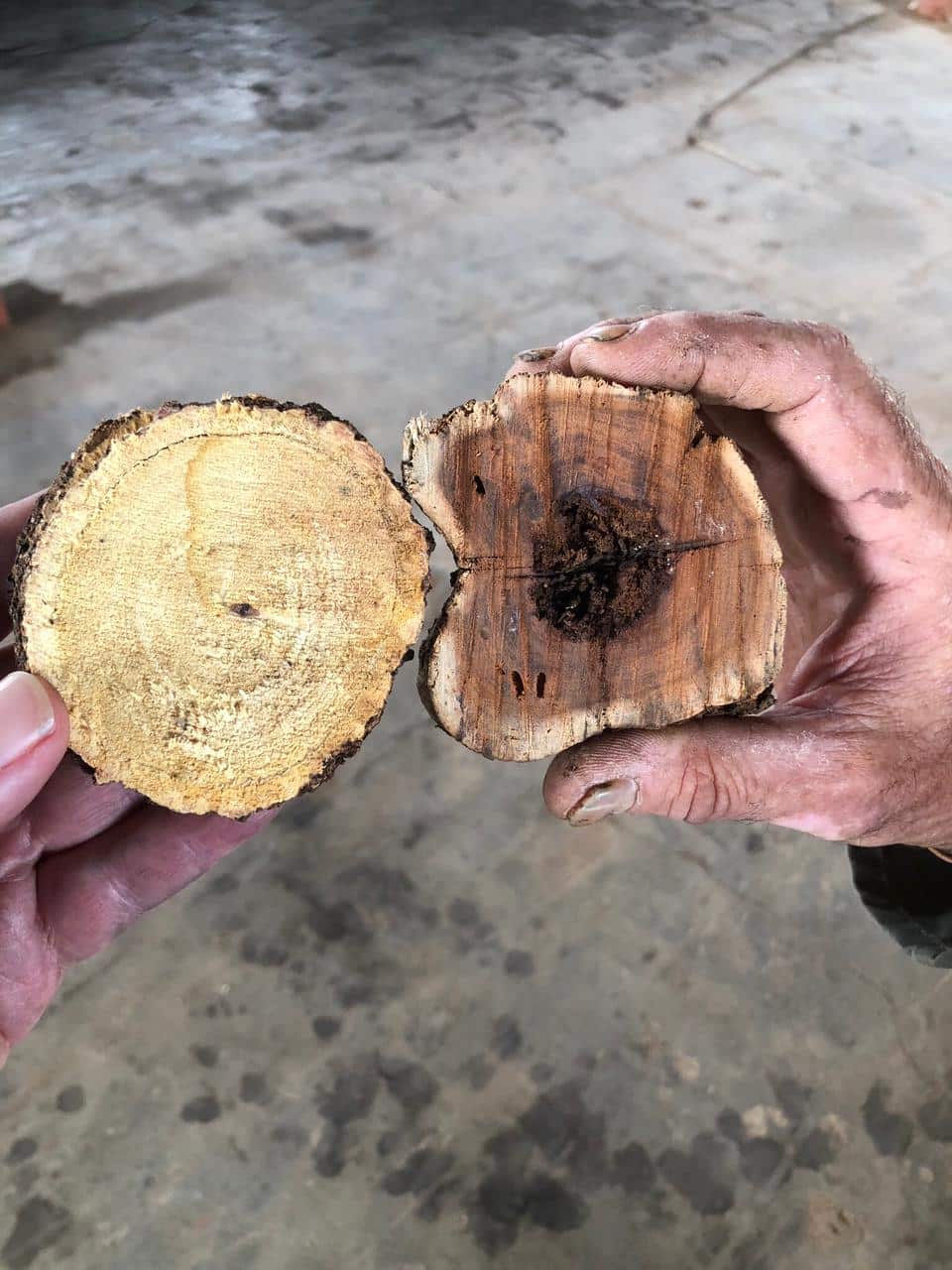
- Working together with Laeveld Agrochem, LAC Logistics, Terravusa and other sister companies enables Terraligna to present lasting solutions to the problems caused by bush encroachment and alien invasive species. By merely using chemicals and especially the so called “cheap” chemicals, one causes problems for the farmers or the communities due to long-term effects of the chemicals in the soil and useful trees also being killed in the process. Merely cutting or mechanically removing trees is also not a solution but rather causes the regrowth of thicker clumps of smaller trees with less economic value. For lasting success, it is essential that the harvesting of wood is combined with a programme of introducing growth hormone chemicals to the relevant trees or bushes. These force the trees and bushes to grow themselves to death. This process significantly reduces the number of problem trees or bushes per hectare while enabling pioneer grass species to grow in a relatively short period of time. This naturally enables the harvesting of dead trees, while curtailing the problem of regrowth.
- Terraligna’s business model presents a viable and sustainable solution for bush encroachment challenges. Combining the harvesting of wood with a programme of spraying the trees and bushes makes the process more affordable and could even render it profitable if done right.
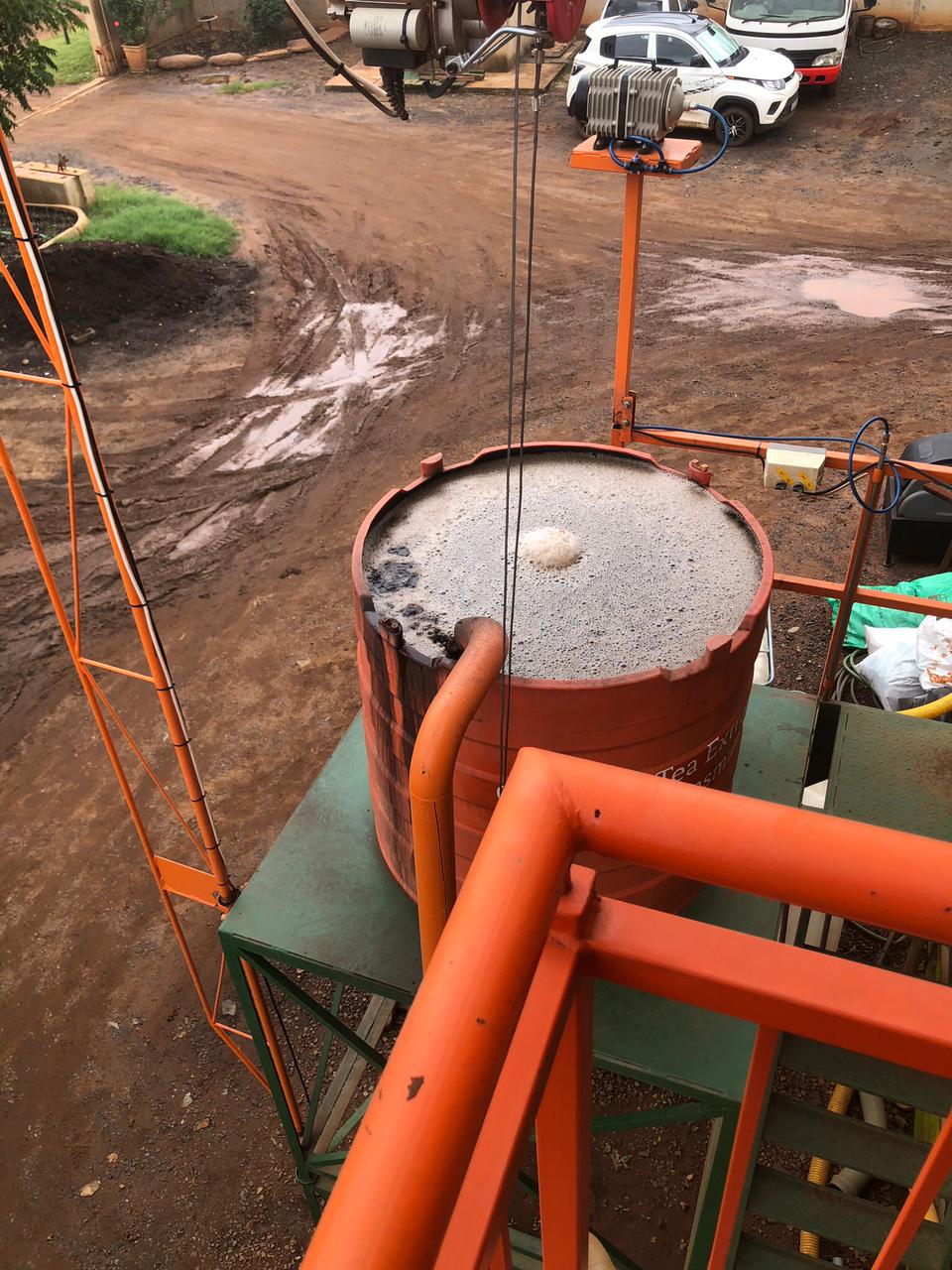
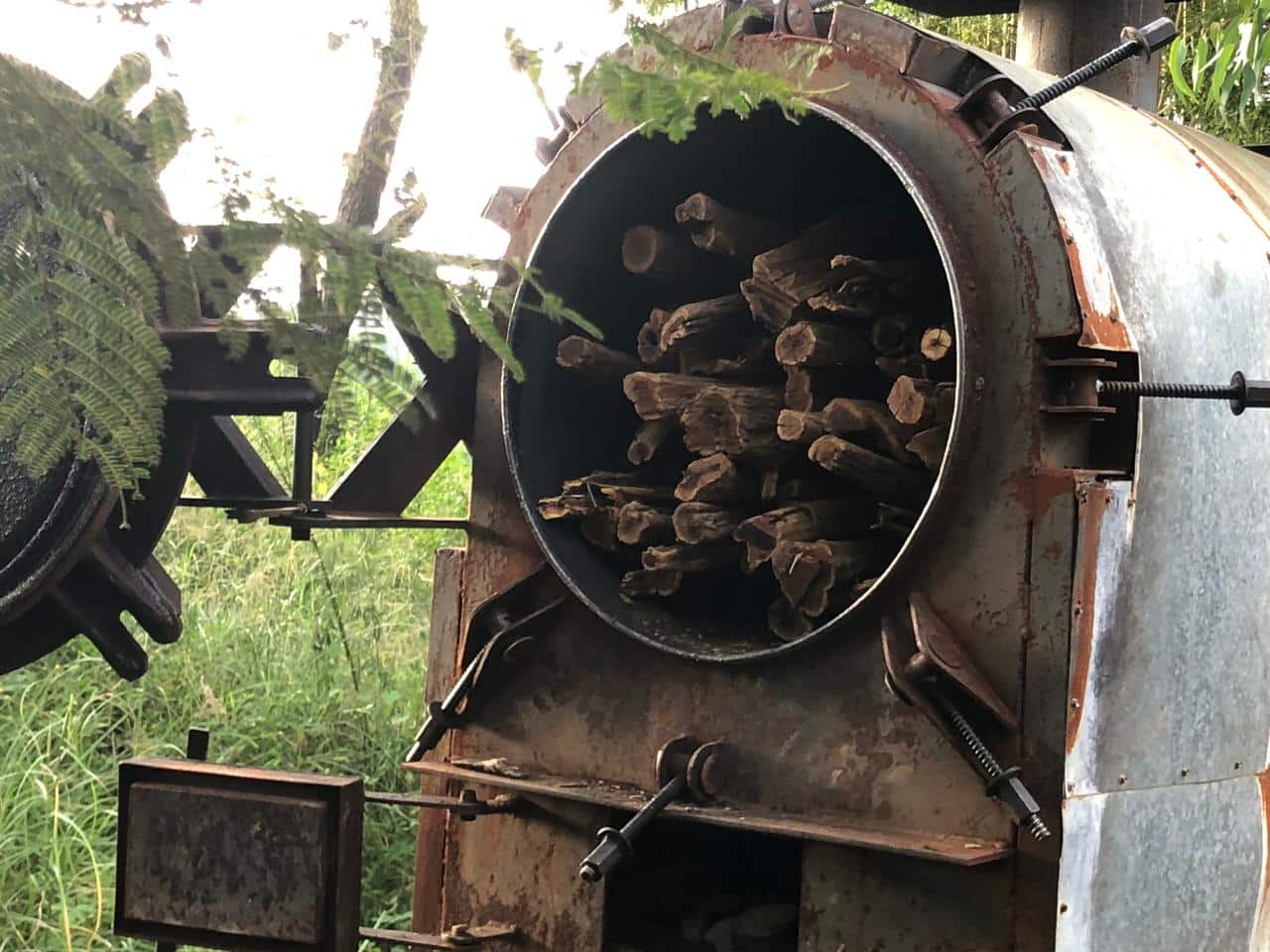
- Terraligna makes use of specifically designed retort ovens to increase the value of harvested wood. These ovens allow for the manufacturing of restaurant grade charcoal, biochar, activated carbon and wood vinegar. Exponential expansion of these solutions is possible. They also allow for the economic use and application of thinner branches and twigs, which increases the yield of species like Sekelbos, that usually are not economically viable to harvest. The increase of economically viable biomass per hectare that can be used, will significantly increase the number of hectares that can be cleared in a cost-effective manner.
- Terraligna’s model allows for the recreation of a whole industry.
- Terraligna’s model is scalable and should create a large number of job opportunities and a vibrant diversification of job. A huge number of untrained and unemployed people will gain access to the job market and will be provided with sustainable work as well as training, skills development and knowledge transfer
Pilot project
We have launched our pilot project on a farm near the Botswana Border. This farm was chosen, because the owner is a very affluent and influential businessman from the United States. Shared values and business visions have made this choice an easy one.
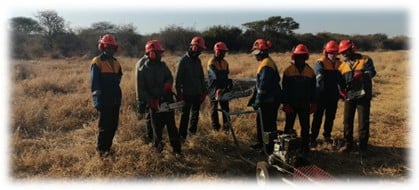
Together with the owner we have implemented the project up to phase 2. During phase 1 we have firstly harvested wood by various means. We have employed wood cutting teams and have tested various types of chainsaws and other wood cutting equipment and machines. Phase 2 was started recently (17 July 2025) when we deployed 2 kilns on the farm. This enabled us to harvest wood and to produce nominal quantities of char and wood vinegar for analysis and tests. Several potential clients have received samples of our products. We have also identified farmers that are keen to test the biochar on their lands. The first bulk bags of char have been converted into biochar and should go into the lands within the next 2 weeks.
Just on the pilot project we have effectively created 18 primary jobs. These consist of team members harvesting and cutting wood, team members operating the kilns, a training officer, a project manager and a logistics support person. It can also be mentioned that 8 of the people employed on this pilot project could not find work in the last 2-3 years. Another 3 of the people were employed by us in phase 1 and have grown to the next level and were also completely unemployed prior to the pilot project being started. Training and skills development interventions will render all of these people more employable as they progress.

How will jobs be created through this project?
Directly: Wood harvesters, kiln operators, logistics support, mechanical support, team leaders, managers, trainers.
Indirectly: Supply chain staff members, staff necessary for delivery of products to off-takers. Farmers and rural communities can increase carrying capacity of their land by at least 30%, which will increase heads of cattle or game per farm. This will in turn increase productivity of farms and land. Our teams are also trained to use the biochar on a small scale and to be able to start vegetable and maize farming on a small scale. Through two of our strategic partners, we will provide training and also support to farm with vegetables .
Benefits to Laeveld Agrochem
Laeveld Agrochem is one of the largest agrochemical businesses in South Africa. The business currently focuses and does extremely well to provide commercial farmers with agrochemical products and expert information and leads the field in this regard.
The world is shifting towards more natural farming methods. Terms like regenerative farming and greening of farming are coming to the fore and gaining ground. This is still in an infancy stage in Southern Africa where use of chemicals and extensive farming are still the leading mindset in the agricultural market. This will, however, change over time. Pressure from the world’s leading consumer markets, like Europe and the Americas, have already been felt in South African agriculture. Especially fruit, nut, avocado and grape farmers have been punished in the European markets. Imports to Europe will increasingly attract an equalizing tax on our products and European farmers are lobbying strongly that the farming practices they are forced to follow, must be followed by farmers with competing products.
There is a gradual shift towards the use of biochar and wood vinegar products in agriculture. This will still take time. We cannot be left behind, though and need to drive the change and stay abreast with worldwide best practices, while still doing what we do well. Laeveld Agrochem is therefore focusing and building on its strengths, while Terraligna will drive the alternative farming methods. Terraligna will learn true understanding thereof in cooperation with the leaders in the industry while build a strongly branded products in the green farming industry. This enables Laeveld Agrochem to maintain the benefits of its hedgehog principle, while not missing out on the huge benefits of the new and fast-growing industry in future.
Conclusion
The potential of char and related products and unlocking the benefits in the new and fast-growing regenerative farming industry and combining these with the extremely valuable carbon credit funding opportunities will allow Terraligna (and in future also Laeveld Agrochem) to tap into the power of exponential growth. The resulting potential to extract true skills development and large-scale job creation is extraordinary.
This industry has the potential to make a real difference in South Africa. We firmly believe that the right public private partnership together with the potential of unlocking significant grant funding, are the keys to providing the optimal solution to South Africa’s enormous problems as a result of spreading of alien invasive plant species and bush encroachment.
Thus far the lack of vision and coordinated efforts and proper as well as coordinated funding have caused previous projects to fail. This in turn lead to billions of Rands being wasted because of these failures.
Where others have failed, Terraligna aims to succeed.